

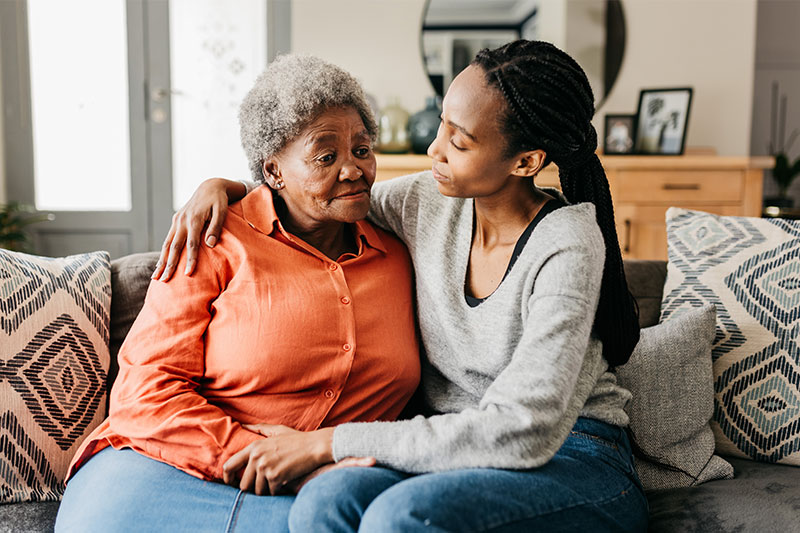
Conversation scripts for three specific care-giving situations.
🧠 1. For a Loved One Showing Early Signs of Dementia
Goal: Be gentle, reduce fear, and emphasize support — not judgment or control.
You: “Hey Mom/Dad, I’ve noticed sometimes you forget little things — and that’s totally normal as we get older. But I also want to make sure you’re always safe, even on the days when things feel a bit off.”
You: “We’re looking into adding a small camera in the living room or kitchen — not to spy or control anything — but just to give us a way to check in if something seems unusual, like if you forget to take your meds or leave the stove on.”
You: “We can set it up so it only alerts us if something really unusual happens. It’s more about helping, not hovering.”
You: “This could actually help you stay independent longer — it gives us peace of mind that we can support you without needing to be there every minute. That way, you keep doing things your way.”
✅ Why This Works:
- Reframes support as empowering, not restricting.
- Avoids language like “declining” or “getting worse.”
- Focuses on maintaining independence, not removing it.
🚑 2. For a Senior with a History or Risk of Falls
Goal: Present cameras as a safety tool, especially for unseen accidents.
You: “Hey Grandma, I know that last fall really scared us all — and thankfully, you were okay. But it made us realize how important it is to be able to help quickly if something like that ever happens again.”
You: “We’d like to install a camera near where you spend the most time — maybe the kitchen or hallway — just so we can get an alert if there’s a sudden movement or if you’re not up at your usual time.”
You: “It’s not about watching your every move — it’s just so we don’t lose time if something happens. Every minute counts when you need help.”
You: “This could help avoid hospital stays — or make sure we get there before anything gets serious.”
✅ Why This Works:
- Anchors the system to real-life experiences.
- Emphasizes timely help, not supervision.
- Aligns with health goals (avoiding ER, staying safe at home).
🌍 3. For Long-Distance Family Caregiving
Goal: Emphasize staying close emotionally and being dependable from afar.
You: “I really wish I lived closer and could stop by more often. Since I can’t, I’ve been thinking about how to make sure I’m still here for you — even from far away.”
You: “There are smart cameras now that let me check in and even talk to you if I need to. It’s like having a window into your day so I’m not completely in the dark.”
You: “We’d never put it anywhere private — just one or two in shared spaces, like the kitchen or entryway. I’d only check if I hadn’t heard from you or got an alert that something was off.”
You: “It would help me sleep better at night knowing you’re okay. And you wouldn’t have to do anything — no buttons to push, no calls to make.”
✅ Why This Works:
- Frames cameras as a connection tool, not surveillance.
- Centers emotional reassurance and dependability.
- Reinforces non-intrusiveness and respect.
🔐 Reassurance & Boundaries to Include in Every Case
“We’ll always let you know when it’s on. You’ll know exactly where the camera is. It won’t go in the bedroom or bathroom. This is to help you feel safe and stay independent — not to take anything away.”
🛠️ Bonus Offer (Optional)
If resistance arises: “Let’s try it out together for a couple weeks. If it ever feels uncomfortable, we’ll remove it. You’re still in charge.”